
Inside Ketamine-Assisted Psychotherapy: Insights from Yale Psychiatrist Dr. Marcus Hughes
As part of my deep dive into KAP, I’m meeting with KAP practitioners, researchers, and academics to learn more about how it’s supporting people’s mental health care.
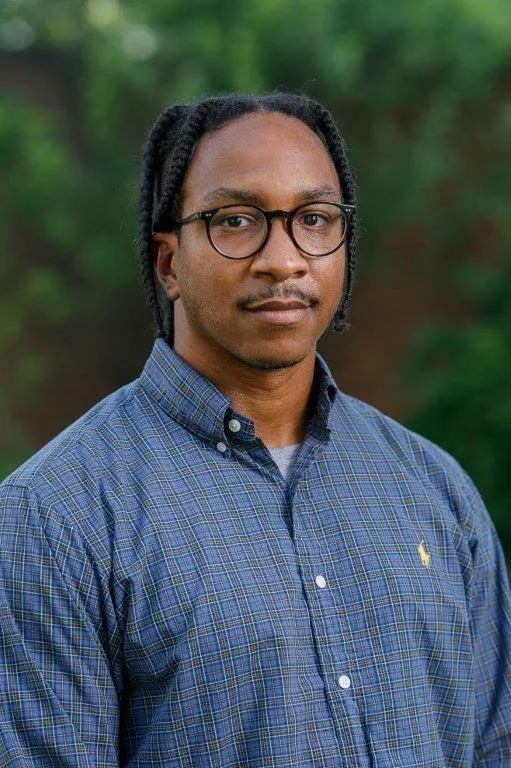
Dr. Marcus Hughes
For this conversation, I had the opportunity to speak with Dr. Marcus Hughes, a psychiatrist and assistant professor at Yale University who works at the intersection of clinical psychiatry and psychedelic research and treatment. Dr. Hughes brings a unique perspective to the field, shaped by his own lived experience, clinical work, and a deep awareness of who psychedelic medicine serves.
From Curiosity to Clinical Practice
Dr. Hughes’ interest in psychedelics began long before his academic career. As an undergraduate student, he became curious about the pharmacology and therapeutic potential of psychedelics, initially studying chemistry, then shifting to biology, and eventually medicine. Psychiatry became a natural fit for him during his residency, as the connections he made with his patients during his rotations and the lack of mental health professionals in the predominantly Black and Brown communities where he grew up inspired him.
Today, at Yale, he works with the Interventional Psychiatry Service, where he treats patients with treatment-resistant depression using a range of approaches, including ketamine and esketamine, electroconvulsive therapy (ECT), and transcranial magnetic stimulation (TMS), while also contributing to clinical research involving psychedelics like ketamine and psilocybin.
What We Know So Far About Ketamine and Psychedelics
While ketamine-assisted psychotherapy can feel “new,” Dr. Hughes explains that research on ketamine as an antidepressant dates back more than two decades. A 2000 study led by Yale and VA psychiatrists at the West Haven VA first helped spark interest in ketamine’s antidepressant effects. This work was later replicated by researchers at the National Institute of Mental Health (NIMH), with findings published in 2006, further confirming ketamine’s potential as a treatment for depression.
At Yale, Dr. Hughes is involved in several ongoing research efforts on both ketamine and psychedelic-assisted psychotherapy. He is currently the Study MD on a clinical trial examining The Efficacy of Psilocybin Therapy for Depression in Parkinson’s Disease, led by Dr. Sophie Holmes, in collaboration with the University of California, San Francisco, and supported by the Michael J. Fox Foundation.
Dr. Hughes also recently contributed to a ketamine trial for individuals with Parkinson’s disease and depression, a five-year study that has just ended and the results are expected to be published later this year. Other studies Dr. Hughes is contributing to include a trial comparing IV-administered ketamine with intranasal ketamine, aiming to clarify which route is most effective for treatment.
How Ketamine Supports the Therapeutic Process
While ketamine can reduce depressive symptoms on its own, Dr. Hughes made it clear that psychotherapy is where the deeper work happens. In some medical settings, ketamine is administered purely as medication. Dr. Hughes acknowledged that this can still be effective, but he sees greater potential when ketamine is used to support therapeutic processing rather than replace it.
“The medication can help you feel better,” he explained, “but often helps you feel better enough to actually do therapy.”
Low-dose, or psycholytic, ketamine can increase cognitive flexibility and help people access insights that were once out of reach. In that state, therapy becomes more effective because the ketamine helps people engage more fully in the work.
One important topic that emerged in our conversation was around expectations. Dr. Hughes mentioned the concept known as the “Trough of Disillusionment,” a phase of the Gartner Hype Cycle that occurs when inflated expectations are not met and initial enthusiasm for an intervention begins to wane. When a client's experience with ketamine doesn’t match their expectations, they may dismiss the entire approach altogether. It’s important to recognize that psychedelics and ketamine can be powerful, but they may not work for everyone.
Training the Next Generation of Clinicians
There has been growing interest in psychedelic medicine in universities across the country, among students and researchers as they prepare for potential FDA-approved psychedelic treatments.
At Yale, Dr. Hughes teaches psychiatry residents and medical students rotating through their ketamine services. A major priority he emphasized is ensuring that emerging clinicians are diverse and representative of the populations they serve. Dr. Hughes highlighted the fact that roughly 85% of participants in U.S. psychedelic clinical trials are white. He cautioned that this could risk reinforcing health inequities among diverse populations.
This concern is reflected in Dr. Hughes’ own published research examining ethnoracial representation in psychedelic clinical trials, which highlights the persistent underrepresentation of Black, Brown, Indigenous, and other marginalized communities in this body of research. He also just published a paper in Psychiatric Services titled Toward Diversity in Psychedelic Science, which further explores these inequities and their implications for the field.
“If we only test these treatments in certain populations,” he said, “we miss the opportunity to understand how they might help others, especially around things like race-based trauma.”
Dr. Hughes advocates for training and uplifting researchers and clinicians from diverse communities so they can study, deliver, and adapt these treatments within their own communities.
Where to Learn More
For those curious to learn more about psychedelic and ketamine-assisted psychotherapy, Dr. Hughes suggested the following resources:
Peer-reviewed research via PubMed from the National Institutes of Health
Organizations like Multidisciplinary Association for Psychedelic Studies (MAPS), Johns Hopkins Center for Psychedelic & Consciousness Research, and local psychedelic societies
Community knowledge platforms like Erowid and Reddit, capturing the lived experiences of those in psychedelic psychotherapy, which are often absent from clinical trials
Dr. Hughes noted that psychedelic medicine didn’t originate in laboratories, and understanding its full impact requires listening to both scientific data and people’s real-life stories.
What Comes Next
As this field continues to evolve, voices like Dr. Hughes remind us that psychedelic and ketamine-assisted psychotherapy is as much about the people as it is about medicine. These treatments are tools that can create meaningful shifts when paired with thoughtful care, realistic expectations, and equitable access.
As research continues and training expands, there are opportunities to use these tools in ways that support healing across diverse communities.
