
Inside Ketamine-Assisted Psychotherapy: How Dr. Michelle Perry Integrates Mind–Body Healing
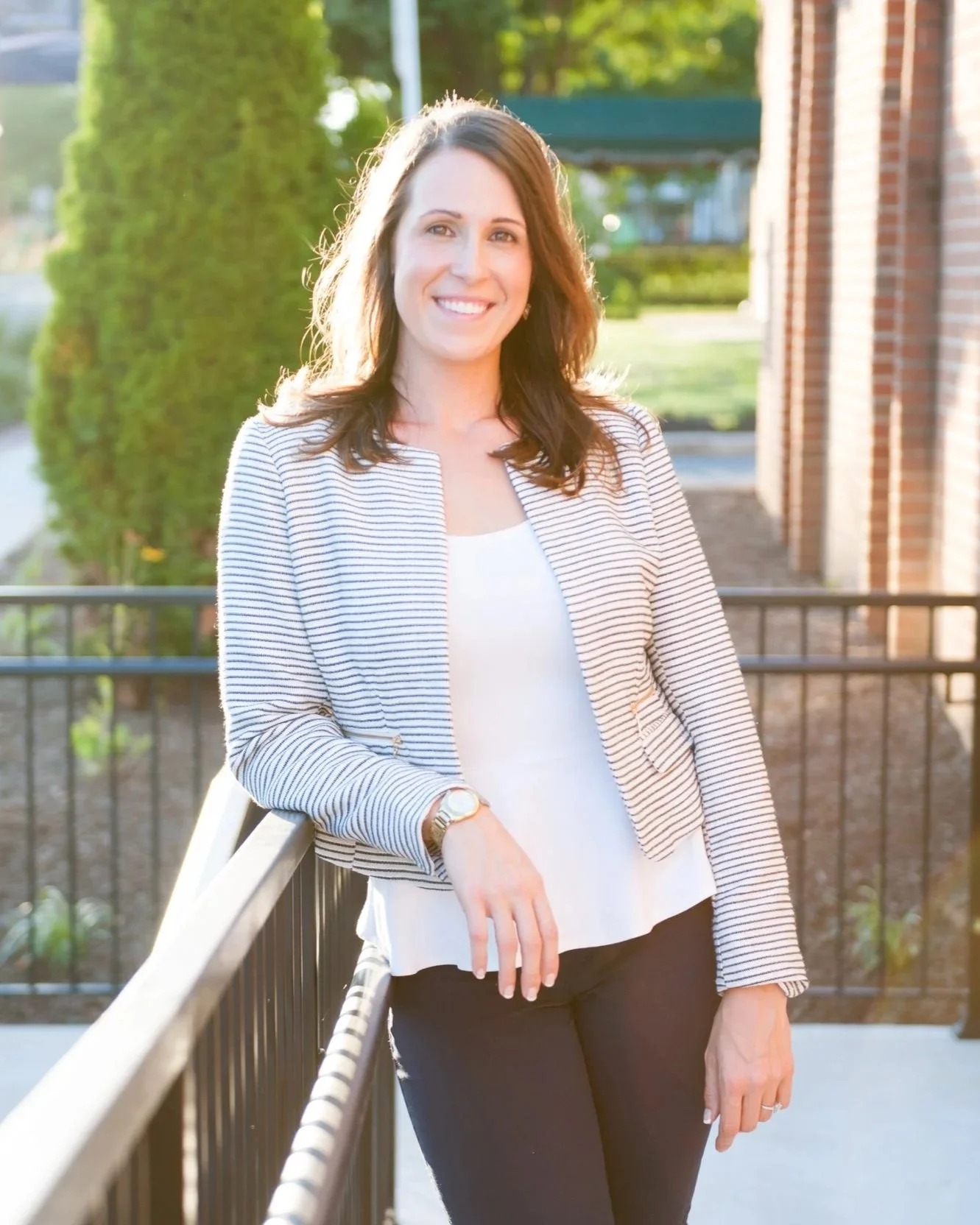
Dr. Michelle Perry
As part of my deep dive into KAP, I’m meeting with KAP practitioners, researchers, and academics to learn more about how it’s supporting people’s mental health care.
For this next conversation, I sat down with Dr. Michelle Perry, a clinical psychologist and trauma specialist who integrates KAP with somatic and experiential therapies. Dr. Perry works with individuals experiencing PTSD, depression, and addiction, including many veterans, first responders, and women living with chronic anxiety or depression.
A Background Rooted in Military Mental Health
Before entering private practice, Dr. Perry spent more than a decade working as a civilian for the U.S. Army through its Behavioral and Social Health Outcomes Program (BSHOP). In this role, she was part of a public health initiative that used data and epidemiology to better understand and improve soldiers’ mental and social well-being.
Her work at BSHOP focused on identifying threats to soldier health, supporting epidemiological consultations for unit-specific concerns such as suicide clusters, and contributing to reports on behavioral health trends, substance use, and mortality. Seeing these challenges firsthand helped shape her interest in working with the military, veterans, first responders, and others in high-stress professions.
Her connection to military communities continued during her doctoral training, when she completed her clinical internship at the Chillicothe and Columbus Veterans Health Administration (VHA) in Ohio. There, she worked directly with veterans and gained extensive experience using the evidence-based trauma treatments commonly used across the VHA. It was during this time that she began to notice the limits of some of these traditional approaches. “While these approaches can be helpful, they’re not always effective,” Dr. Perry explains.
After her VHA experience, Dr. Perry founded The Center for Trauma, Stress, and Anxiety. “When I opened CTSA, a big driver of my work was and continues to be searching for effective treatment,” she says.
From Evidence-Based Care to Psychedelic-Assisted Therapy
Throughout her career, she’s used modalities like Cognitive Behavioral Therapy (CBT), Cognitive Processing Therapy (CPT), and Accelerated Resolution Therapy (ART), but over time has noticed that sometimes healing requires deeper connection with the body. “You can’t truly heal trauma without working with the body and the nervous system,” she says. “You can’t just tell a nervous system to calm down.”
As research on psychedelic-assisted therapy continued to emerge, Dr. Perry felt compelled to explore its potential more deeply. She completed a nine-month training program through the Integrative Psychiatry Institute (IPI), immersing herself in the clinical application of psychedelic-assisted therapy.
How Dr. Perry Integrates KAP Into Therapy
Dr. Perry offers KAP in an intensive three-day model that combines mind-body preparation, ketamine dosing, and integration through her practice at The Center for Trauma, Stress, and Anxiety. Here’s what you can expect from each day:
Day 1: Clients focus on preparation and intention-setting, often using grounding practices like yoga and breathwork.
Day 2: Clients participate in the dosing journey, an experience that can bring up vivid imagery, emotions, or sensations.
Day 3: Integration session to help the client process what surfaced and create a plan for translating these insights into their daily life.
Integration is the period after a dosing session and is where much of the therapeutic work happens. Dr. Perry encourages her clients to be creative with their integration through journaling, movement, or art. Dr. Perry says, “The goal is to help clients make the most of the neuroplastic window that follows their experience.” This is the window in which changes are most likely to occur in the brain.
Dr. Perry values ketamine’s and other psychedelics, like psilocybin's, ability to transform the brain when used intentionally. “It’s about restoring safety in the nervous system,” she says.
“Psychedelic-assisted therapy helps people reconnect with their resilience and capacity for change.”
What Healing Can Look Like
While ketamine can sometimes produce euphoric or spiritual experiences, Dr. Perry emphasizes that the most meaningful healing often comes from confronting difficult emotions that clients have long avoided.
For Dr. Perry, KAP isn’t about chasing psychedelic experiences, it’s about creating space for what’s ready to heal. “Your brain won’t take you anywhere you’re not ready to go,” she reminds her clients. The ketamine just helps open the door.”
Looking Ahead
Through this conversation, it’s clear that KAP has the ability to foster significant change in an individual’s healing. In my next post in this series, I’ll continue exploring how practitioners and researchers are using KAP to support clients.
To learn more about Dr. Perry’s KAP Intensives, visit the Get Centered Wellness website. She is also excited to be hosting an upcoming KAP and EMDR retreat in Costa Rica, offering a unique immersive healing experience that blends evidence-based trauma therapy and integrative approaches in an intentional small-group setting.
