Working With the LGBTQIA+ Community
Purpose and Population
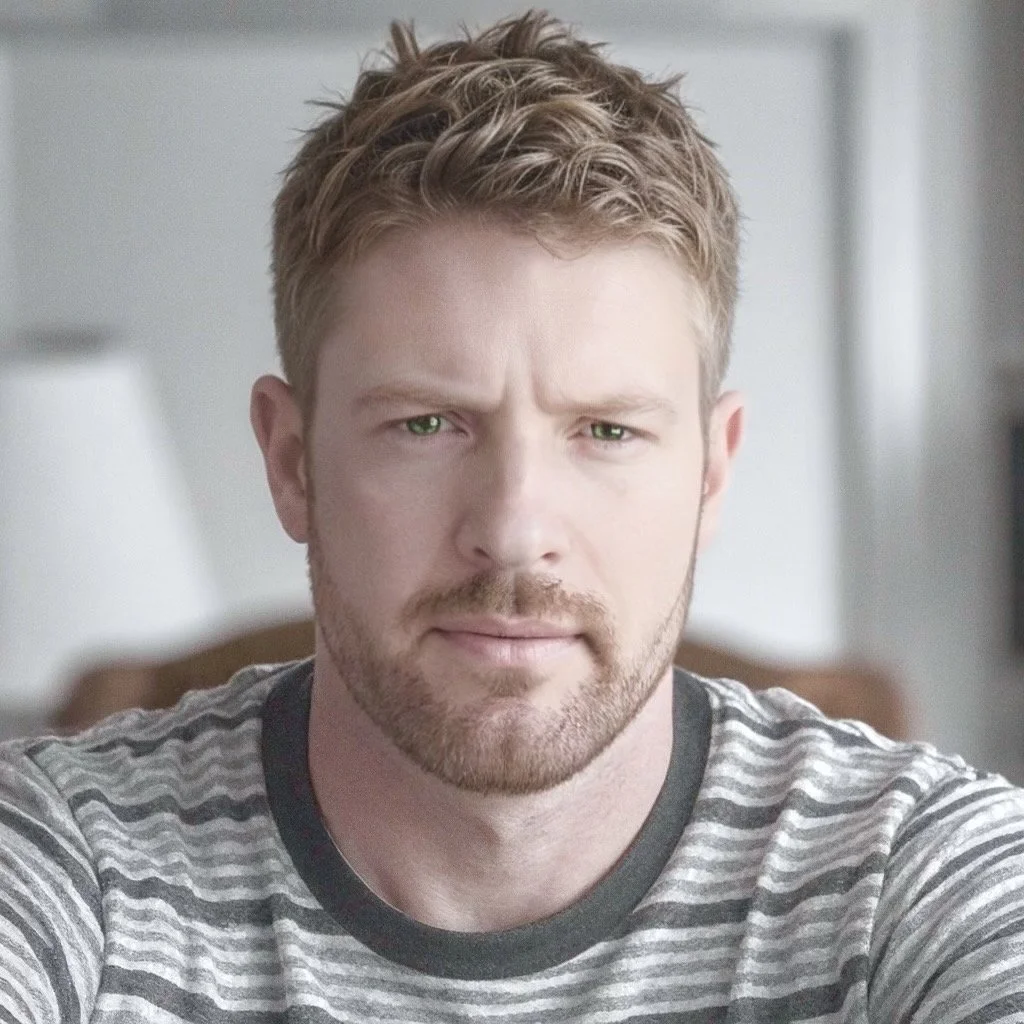
I’m Edward Yaeger, a licensed clinical psychotherapist, and I identify as Queer. My work with the LGBTQIA+ community grows out of both lived experience and years of professional engagement. I completed my supervised clinical training at Fresh Path NY, a queer-affirming, intersectional practice based in New York City, and I have long been involved in major discussions, advocacies, and policies around identity, sexuality, and mental health.
Alongside my clinical work, I’ve written op-eds for HuffPost, The Advocate, and Outsports on issues affecting Queer folx; lectured at universities on sex and sexuality; and participated in panel discussions at major professional associations about workplace safety and protections of Queer employees.
In my clinical practice, I work with adults across the LGBTQIA+ spectrum who are navigating the intersections of identity, sexuality, relationships, emotional wellbeing, and major life changes. Clients often seek support around identity development, coming-out challenges or disclosure concerns, sexual health, minority stress, shame, trauma (developmental, relational, and/or identity-based), and experiences of transition or reinvention.
My approach is trauma-informed, affirming, and grounded in contemporary research and clinical feedback – all deeply attuned to the lived experiences of each and every Queer individual with whom I collaborate.
Why Specialized LGBTQIA+-Affirmative Therapy Matters
For many Queer clients, therapy is not simply about treating symptoms; it is about reclaiming self-definition, interrupting and replacing old narratives, expanding identity, and creating space for expression and belonging. LGBTQIA+-affirming therapy acknowledges:
Minority stress and internalized stigma, past and present
Family-of-origin dynamics, including estrangement, partial acceptance, or conditional love
Complex relational ecosystems, including heteronormativity, mixed-orientation partnerships, polyamory, kink/BDSM frameworks, sex positivity, queerplatonic bonds, and chosen-family structures
Sexual identity development, authenticity in intimacy, and shame deconstruction
Gender exploration and transition, including social, medical, relational, and professional implications
Creative, professional, and public-identity tension, particularly within oppressive environments or high-visibility fields
I integrate psychological depth, social context, and identity affirmation in equal measure.
What to Expect
1. Initial Assessment & Identity Mapping
I begin with a comprehensive exploration of personal history, family systems, relationships of importance, cultural context, identity development, personal strengths, and current challenges. This may include:
Experiences related to sexual orientation, gender identity, expression, and embodiment
Past relationships, attachment patterns, sexuality, and intimacy
Trauma- or shame-based narratives influencing current functioning
Familial, societal, cultural, vocational, and professional pressures connected to authenticity and visibility
Goals for emotional health, relationships, and personal evolution
This initial phase ensures therapy is tailored to each client’s lived experience
2. Therapeutic Process
Sessions combine insight-oriented depth work, evidence-based interventions, and a nuanced understanding of LGBTQIA+ identities. Depending on individual needs, I may focus on:
Identity expansion, (re)integration, and self-acceptance
Processing shame, secrecy, internalized messaging, or minority stress
Exploring sexuality, desire, erotic identity, and sexual health
Reducing anxiety, depression, or relational duress
Clarifying personal narratives and strengthening communication
Fostering intimacy and connection within Queer and/or mixed-orientation relationships
This work supports clients in cultivating clarity, grounding, and a more aligned sense of self.
3. Integration & Real-World Application
I support clients in translating therapeutic insight into sustainable, real-life change. This includes learning to:
Build and maintain healthy, authentic relationships
Communicate needs and enforce boundaries with confidence
Navigate professional environments as Queer individuals
Develop healthier sexual and relational patterns
Re-evaluate roles, expectations, and long-standing self-beliefs
Move through the world with greater agency, intention, courage, and self-trust
Integration is ongoing, collaborative, and tailored to each client’s life context.
Areas of Focus
Sexuality & Intimacy: orientation, desire, kink/BDSM, sexual shame, relational patterns
Gender Identity & Transition: exploration, navigation, relationships, embodiment
Trauma: developmental, relational, identity-based, minority-stress trauma
Relational Ecosystems: monogamous, polyamorous, open, or ethically non-monogamous structures
PTSD: sexual trauma or trauma intersecting with sex and sexuality
Gender Dysphoria: non-pathologized distress related to gender identity
Invitation
If you are LGBTQIA+ and are navigating identity, relationships, shame, disclosure, or simply seeking a therapeutic space that acknowledges and respects the complexity of the Queer lived experience, I welcome the opportunity to work with you.
Together, we can build a thoughtful, affirming space where you are understood, supported, and fortified to move toward a more fully aligned version of yourself.